Pittsburgh Child Pornography Lawyer
Levenson Law Firm

Pittsburgh Child Pornography Lawyer
Being investigated or charged with a child pornography offense, also referred to as a child sexual abuse material (CSAM) offense, can have serious consequences for your freedom, reputation, employment, and future. Depending on the allegations, a conviction may result in substantial imprisonment, fines, and sex offender registration requirements.
Even before formal charges are filed, an investigation may have significant personal and professional consequences. Obtaining legal advice early can help you understand your rights and make informed decisions about how to respond.
At Levenson Law Firm, Amy Jones provides discreet, individualized criminal defense representation to people facing CSAM investigations and charges in Pittsburgh and throughout Western Pennsylvania.
As a Pittsburgh child pornography lawyer, Amy examines the allegations, evaluates the available digital and forensic evidence, and develops a defense strategy grounded in the facts and applicable law.
Child Sexual Abuse Material Charges in Pennsylvania
Child pornography offenses are commonly referred to as child sexual abuse material (CSAM) offenses. These allegations may involve the possession, distribution, receipt, or production of prohibited material, with different legal requirements and potential penalties depending on the offense charged.
In Pennsylvania, certain offenses involving sexual abuse material are prosecuted under 18 Pa.C.S. § 6312, which addresses sexual abuse of children.
Federal law separately prohibits certain conduct involving child sexual abuse material, including offenses under 18 U.S.C. §§ 2251, 2252, and 2252A.
State criminal charges arising in Pittsburgh generally proceed in the Allegheny County Court of Common Pleas. Federal prosecutions in the Pittsburgh region are generally handled in the United States District Court for the Western District of Pennsylvania.
Whether a case is prosecuted under state or federal law depends on the particular allegations, applicable statutes, and jurisdictional requirements.
Defending CSAM Investigations and Criminal Charges
CSAM prosecutions frequently involve digital evidence obtained from computers, smartphones, cloud storage, online accounts, or electronic communications.
Important questions may include:
- Whether investigators lawfully searched or seized electronic devices and accounts
- Whether search warrants were supported by probable cause and properly executed
- Whether the accused knowingly possessed, received, distributed, or produced the material alleged
- Whether digital forensic findings reliably establish the conduct charged
- Whether files were automatically downloaded, cached, or stored without the accused’s knowledge
- Whether the prosecution can reliably attribute particular devices, accounts, or activity to the accused
- Whether statements to investigators were obtained in compliance with applicable constitutional protections
The significance of these issues depends on the particular offense and the available evidence. Not every digital forensic question establishes a legal defense, but careful examination of the evidence is essential to evaluating the prosecution’s case.
Depending on the circumstances, defense representation may involve pre-charge advice, review of forensic reports, investigation, pretrial motions, plea negotiations, trial preparation, or sentencing advocacy.
Why Choose Levenson Law Firm?
Amy B. Levenson Jones is the founder and principal attorney of Levenson Law Firm. Admitted to the Pennsylvania bar in 1997, she brings a broad professional background in law and the legal industry to her criminal defense practice.
Amy represents individuals facing serious Pennsylvania state and federal criminal charges, emphasizing careful evidence analysis, sound professional judgment, and individualized strategy.
Levenson Law Firm maintains a selective caseload so that clients work directly with Amy and receive careful preparation, candid advice, and appropriate discretion throughout the representation.
CSAM allegations require particular attention to digital evidence, statutory elements, potential sentencing consequences, and registration requirements. Amy approaches these matters without presuming that an accusation establishes guilt.
No lawyer can guarantee a particular outcome. Every defense must be developed around the specific facts, applicable law, and individual circumstances.
The strategy depends on the case. The commitment does not.
Contact Levenson Law Firm
Call For A Consultation
917-406-7165
Potential Defenses Against Child Pornography Charges
Being investigated or charged with a child pornography offense, also referred to as a child sexual abuse material (CSAM) offense, can be overwhelming. However, an accusation does not establish guilt, and the prosecution must prove every element of the charged offense beyond a reasonable doubt.
CSAM cases often involve complex digital evidence, including computer files, internet activity, cloud storage, electronic communications, and forensic examinations of electronic devices.
The appropriate defense depends on the particular allegations, the applicable Pennsylvania or federal statute, and the available evidence.
Potential defense issues may include:
Knowledge and Intent
Many CSAM offenses require the prosecution to establish that the accused acted knowingly or with another specified mental state.
Depending on the charge, important questions may include whether the accused knew that particular files existed, understood their nature, or knowingly engaged in the prohibited conduct.
Digital evidence may require careful analysis to distinguish deliberate activity from automated processes or actions attributable to another person.
Possession and Attribution of Digital Evidence
The presence of a file on an electronic device does not necessarily resolve every question concerning criminal possession or responsibility.
Potential issues include whether the accused had knowledge of and control over the material, whether other individuals had access to the device or account, and whether forensic findings reliably establish the alleged conduct.
Depending on the circumstances, files may have been stored through browser caching, automatic downloads, synchronization, or other technical processes. The legal significance of those processes depends on the charged offense and the evidence.
Unlawful Searches and Seizures
The Fourth Amendment protects against unreasonable searches and seizures. Pennsylvania’s Constitution also provides protections that may apply in state prosecutions.
Investigations involving electronic devices frequently raise questions concerning search warrants, probable cause, the authorized scope of a search, and the manner in which digital evidence was obtained.
Not every warrantless search is unlawful. Recognized exceptions may apply, and the legal analysis depends on the circumstances.
When evidence is obtained in violation of applicable constitutional protections, defense counsel may have grounds to seek suppression.
Whether the Material Meets the Statutory Definition
State and federal CSAM statutes contain specific definitions and elements that the prosecution must establish.
Depending on the charge, the defense may examine whether the material falls within the applicable statutory definition, whether the required age-related elements are established, and whether the evidence supports the alleged conduct.
These questions require analysis of the governing statute and the particular material at issue.
Reliability of Digital Forensic Evidence
Digital forensic examinations may identify files, metadata, account activity, internet history, or communications associated with an electronic device.
However, forensic findings must be interpreted accurately and in context.
Potential questions include:
- Whether the forensic examination was properly conducted and documented
- Whether the evidence establishes who used a device or account
- Whether file timestamps and metadata have been interpreted correctly
- Whether the accused knowingly accessed or controlled particular material
- Whether automated processes affected the presence or location of files
- Whether relevant evidence was properly preserved
- Whether the prosecution’s conclusions are supported by the underlying data
Not every technical issue establishes a defense. The purpose of forensic review is to determine what the evidence reliably demonstrates and whether it supports the elements of the charged offense.
Potential Consequences of CSAM Convictions
Child sexual abuse material offenses may carry substantial penalties under Pennsylvania and federal law.
The potential consequences depend on the particular statute, whether the allegation involves possession, receipt, distribution, or production, the defendant’s criminal history, and other legally relevant circumstances.
Depending on the offense, consequences may include:
- Incarceration
- Fines and other financial penalties
- Probation or supervised release
- Sex offender registration requirements
- Restrictions imposed through supervision
- Employment, licensing, and other collateral consequences
Federal CSAM offenses may involve mandatory minimum sentences for certain offenses, while other charges have different statutory sentencing provisions.
Some convictions may trigger registration obligations under Pennsylvania’s Sexual Offender Registration and Notification Act (SORNA) or applicable federal law.
Understanding the specific sentencing and registration consequences is essential when evaluating defense options, plea negotiations, and sentencing strategy.
Frequently Asked Questions About Child Pornography Charges
Should I Hire a Criminal Defense Lawyer If I Am Under Investigation?
Obtaining legal advice early is particularly important in investigations involving electronic devices, online accounts, and potentially serious criminal charges.
Investigators may request interviews, execute search warrants, seize devices, or seek information from internet service providers and other sources.
A Pittsburgh criminal defense lawyer can help you understand your rights, evaluate investigative requests, and make informed decisions before and after charges are filed.
What Is the Child Protection and Obscenity Enforcement Act?
The federal Child Protection and Obscenity Enforcement Act of 1988 included provisions addressing child sexual exploitation and recordkeeping requirements for certain producers of sexually explicit material.
Federal criminal prohibitions involving CSAM are also found in statutes including 18 U.S.C. §§ 2251, 2252, and 2252A.
These statutes address different forms of prohibited conduct and contain distinct legal elements and potential penalties.
Can Internet Searches Be Used as Evidence in a CSAM Case?
Yes. Depending on the circumstances, internet search history may be relevant evidence in a criminal investigation or prosecution.
A search term alone does not necessarily establish that a criminal offense occurred. However, search activity may be considered alongside downloads, communications, account records, forensic findings, and other evidence.
The significance of internet activity depends on the charged offense and what the evidence establishes about the accused’s knowledge, intent, and conduct.
Can Police Access My Browser History or Electronic Devices?
Law enforcement may seek access to electronic devices, browser history, online accounts, and records maintained by third-party service providers.
The legal requirements depend on the type of information sought, how it is stored, the investigative method used, and the applicable constitutional and statutory protections.
A warrant may be required in some circumstances, while other legal processes or recognized exceptions may apply.
Defense counsel can evaluate whether the government obtained the evidence lawfully and whether a challenge to its admissibility is available.
Can Automatically Downloaded or Cached Files Lead to Criminal Charges?
Files created through automatic downloads, browser caching, or synchronization may become part of a digital forensic investigation.
Whether those files support a criminal charge depends on the particular statute, the required mental state, and the evidence concerning the accused’s knowledge and conduct.
The presence of automatically stored material does not necessarily resolve the legal questions concerning knowing possession, receipt, or distribution.
Are CSAM Cases Prosecuted in State or Federal Court?
CSAM allegations may be prosecuted under Pennsylvania law, federal law, or, in some circumstances, both.
State charges arising in Pittsburgh generally proceed in the Allegheny County Court of Common Pleas.
Federal charges arising in the Pittsburgh region are generally prosecuted in the United States District Court for the Western District of Pennsylvania.
The applicable jurisdiction depends on the conduct alleged and the statutory requirements.
Can Child Pornography Charges Be Dismissed Before Trial?
Depending on the circumstances, charges may be dismissed because of insufficient evidence, successful pretrial motions, or prosecutorial decisions.
Potential challenges may concern the legality of a search, the admissibility of statements, the reliability of forensic evidence, or whether the prosecution can establish the elements of the offense.
Dismissal is not guaranteed, and the availability of a particular challenge depends on the facts and governing law.
Speak With a Pittsburgh Child Pornography Lawyer
If you are under investigation or facing child pornography or CSAM charges in Pittsburgh or Western Pennsylvania, Levenson Law Firm can help you understand the allegations, assess the evidence, and evaluate your legal options.
Amy Jones provides discreet, individualized representation in serious Pennsylvania state and federal criminal matters. Her approach emphasizes careful evidence analysis, professional judgment, strategic preparation, and direct attorney communication.
No lawyer can guarantee a particular outcome. Every defense must be developed around the facts, the applicable law, and the individual’s circumstances.
When Your Future Is at Stake, Judgment Matters.
Request a Confidential Consultation or call Amy Jones directly at (917) 406-7165.
Testimonials
Amy is a highly experienced and dedicated counsel who consistently demonstrates exceptional professionalism and legal expertise. She approaches every case with genuine care, treating her clients like family while maintaining the highest standards of integrity and diligence. Amy goes above and beyond to advocate for her clients, ensuring that every detail is handled with precision to achieve the best possible results. If you have a legal matter and are…
Prem B.
We are very pleased Levenson Law Firm. They explained the plan and options. They were friendly and willing for a FaceTime call or zoom meeting. They did an excellent job with our case.
Jacquelyn D.
Amy Levenson is very professional, proactive and has great insights how to handle situations. She is a calm presence to her clients and prioritizes their best interests. She delivered for us. I would use her again in a heartbeat!
Marilyn P.
I couldn’t recommend them more.
Trust is earned, and that’s why I’m writing this. Before my case even officially started, I walked into office after office and watched lawyers practically drooling for a retainer. Sharks. Pressure. Fear. Felt like everyone was trying to get paid before they even listened. Then I met Stan Levenson. No pitch. No panic. No hand out. He just sat with me, calm, and told me the truth: “Nobody’s kicking…
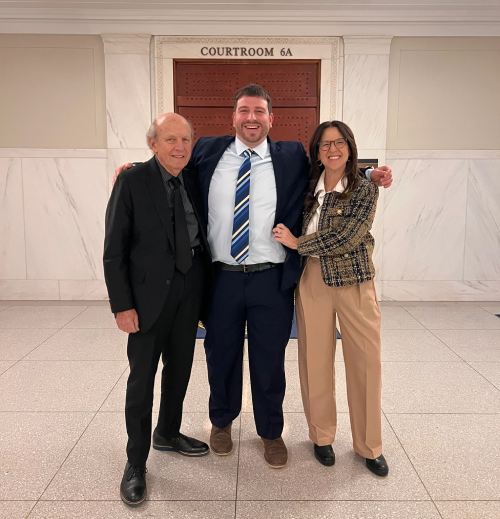
Milty B
Thanks for all of your diligence and hard work to resolve the case. Your insight into how to proceed and your calm manner when we were at our lowest was most appreciated. From the first contact with you and Stan through resolution of this case, you have always acted in the utmost professional way and with our best interests in mind. I am very satisfied with your work
M.P.
Strategic Criminal Defense Evidence. Strategy. Every Client Matters.
Tell Us About Your Case
Fields Marked With An “*” Are Required

Call
Call Amy Jones at 917-406-7165
Email Amy Jones at [email protected]
Mailing Address
1800 Murray Ave
PO Box 81030
Pittsburgh, PA 15217
© 2026 Levenson Law Firm • All Rights Reserved.
Digital Marketing By: 
*Images are obtained under license from Canva and other third-party stock image providers, with attribution included where required.