
Pittsburgh Expungement Lawyer
Levenson Law Firm

Even after a criminal case has ended, a criminal record can continue to affect employment opportunities, professional licensing, housing, education, and other important aspects of life. In some situations, Pennsylvania law allows eligible records to be cleared from public view through expungement.
Whether an individual qualifies depends on the type of offense, the disposition of the case, the person’s criminal history, and other statutory requirements. Determining eligibility often requires a careful review of court records and applicable Pennsylvania law.
Levenson Law Firm represents individuals seeking to clear eligible criminal records through expungement proceedings in courts throughout Western Pennsylvania. Every case begins with a careful evaluation of the record, eligibility requirements, and the legal remedy that best fits the client’s circumstances.
The strategy depends on the case. The commitment does not.
What Is an Expungement?
An expungement is a court process that permanently removes certain eligible criminal records. When an expungement is granted, agencies covered by the court’s order are directed to destroy or remove the affected records as provided by Pennsylvania law.
Not every criminal record qualifies for expungement. Eligibility depends upon the specific circumstances of the case, including how the charges were resolved and the applicable statutory requirements.
Who May Qualify for an Expungement?
Pennsylvania law permits expungement in a variety of circumstances. Eligibility may exist when:
- Charges were dismissed.
- The individual was found not guilty.
- An arrest did not result in a conviction.
- Certain summary offenses satisfy the statutory waiting period.
- The individual qualifies under other provisions of Pennsylvania’s expungement statutes.
Each case is different. Eligibility depends on the specific facts, the disposition of the charges, prior criminal history, applicable waiting periods, and other statutory requirements. A careful review of the criminal record is necessary before determining whether an expungement is available.
The Pennsylvania Expungement Process
The expungement process generally involves reviewing the criminal history, obtaining the necessary court records, determining eligibility, preparing the petition, filing the appropriate pleadings, responding to any objections, and obtaining a court order directing eligible records to be removed.
Because every case is different, the process varies depending on the court, the charges involved, and the procedural history of the case.
Expungement and Pennsylvania Clean Slate Are Different
Expungement and Pennsylvania’s Clean Slate law are separate legal remedies.
Clean Slate generally seals certain eligible records from public view while allowing government agencies to retain access under circumstances permitted by law. Expungement, when available, provides a different form of relief by removing eligible records as authorized by statute.
Determining which remedy may apply requires an analysis of the individual’s criminal history and the governing law.
Benefits of Clearing an Eligible Criminal Record
When an individual qualifies for expungement, clearing an eligible record may improve opportunities involving employment, professional licensing, education, housing, and background checks while allowing the individual to move forward without certain publicly available criminal records.
The available benefits depend upon the specific circumstances and the scope of the expungement order.
What Clients Can Expect From Levenson Law Firm
Every expungement matter begins with a careful review of the client’s criminal history, court records, and statutory eligibility. We explain the available legal options, identify potential issues before filing, and develop a strategy tailored to the client’s circumstances.
We intentionally maintain a selective caseload so every matter receives the time, preparation, and professional judgment it deserves.
No lawyer can honestly promise that every record can be cleared. What we can promise is careful preparation, sound legal judgment, and individualized representation throughout the expungement process.
Frequently Asked Questions About Pennsylvania Expungements
Can every criminal record be expunged?
No. Pennsylvania law limits which records qualify for expungement. Eligibility depends on numerous factors, including how the case was resolved, the type of offense, applicable waiting periods, and other statutory requirements.
Is an expungement the same as Pennsylvania Clean Slate?
No. Clean Slate and expungement are different legal remedies. While both may limit public access to criminal records in certain circumstances, they operate differently under Pennsylvania law and provide different forms of relief.
Can dismissed charges still appear on a background check?
Yes. Even when charges were dismissed or an individual was found not guilty, the arrest and court records may still appear unless they are removed through the appropriate legal process.
How long does an expungement take?
Every case is different. The timeline depends on the court, whether additional records must be obtained, whether objections are filed, and the overall processing time within the county where the petition is filed.
Can an expungement improve employment opportunities?
Many clients seek expungement because criminal records may affect employment, housing, education, licensing, and professional opportunities. While no lawyer can guarantee a particular benefit, removing an eligible record may reduce barriers created by publicly available criminal history information.
Contact Levenson Law Firm
Call For A Consultation
917-406-7165
Testimonials
Amy is a highly experienced and dedicated counsel who consistently demonstrates exceptional professionalism and legal expertise. She approaches every case with genuine care, treating her clients like family while maintaining the highest standards of integrity and diligence. Amy goes above and beyond to advocate for her clients, ensuring that every detail is handled with precision to achieve the best possible results. If you have a legal matter and are…
Prem B.
We are very pleased Levenson Law Firm. They explained the plan and options. They were friendly and willing for a FaceTime call or zoom meeting. They did an excellent job with our case.
Jacquelyn D.
Amy Levenson is very professional, proactive and has great insights how to handle situations. She is a calm presence to her clients and prioritizes their best interests. She delivered for us. I would use her again in a heartbeat!
Marilyn P.
I couldn’t recommend them more.
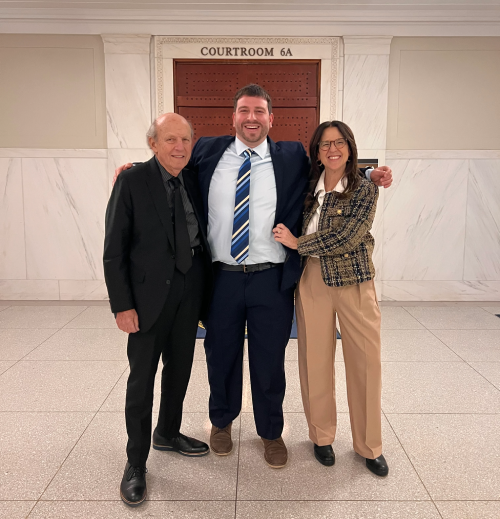
Trust is earned, and that’s why I’m writing this. Before my case even officially started, I walked into office after office and watched lawyers practically drooling for a retainer. Sharks. Pressure. Fear. Felt like everyone was trying to get paid before they even listened. Then I met Stan Levenson. No pitch. No panic. No hand out. He just sat with me, calm, and told me the truth: “Nobody’s kicking…
Milty B
Thanks for all of your diligence and hard work to resolve the case. Your insight into how to proceed and your calm manner when we were at our lowest was most appreciated. From the first contact with you and Stan through resolution of this case, you have always acted in the utmost professional way and with our best interests in mind. I am very satisfied with your work
M.P.

Strategic Criminal Defense Evidence. Strategy. Every Client Matters.
Tell Us About Your Case
Fields Marked With An “*” Are Required

Call
Call Amy Jones at 917-406-7165
Email Amy Jones at [email protected]
Mailing Address
1800 Murray Ave
PO Box 81030
Pittsburgh, PA 15217
© 2026 Levenson Law Firm • All Rights Reserved.
Digital Marketing By: 
*Images are obtained under license from Canva and other third-party stock image providers, with attribution included where required.