
Call For A Consultation 412-889-7270
Erie Robbery Lawyer
Stanton
D. Levenson, P.A.
Law Offices
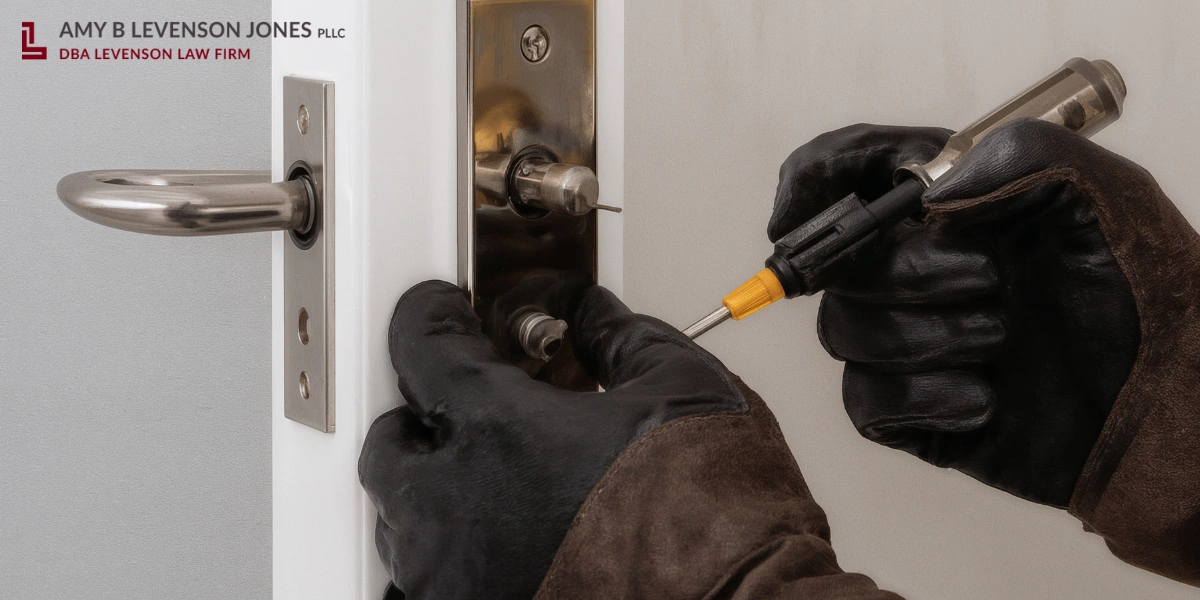
Erie Robbery Attorney
Robbery charges in Pennsylvania are no laughing matter. Conviction comes with serious penalties that can follow you for the rest of your life. It’s essential to work with an experienced Erie robbery lawyer to defend your rights and protect your freedom. At Levenson Law Firm, we know what it takes to win robbery cases, and we’re dedicated to giving you the representation you deserve to fight these charges.
The Difference Between Robbery and Theft
Many people use the terms “robbery” and “theft” interchangeably. However, there’s a big difference between the two.
Theft, also called larceny, is taking someone’s property without permission with the intent to permanently take it from them. Theft is often done in secret. The owner usually doesn’t know the property is gone at first.
Robbery, on the other hand, is theft with the addition of force via threats or violence. This makes robbery a felony in Pennsylvania. What’s more, robbery is often committed with a weapon, which further escalates the charge and subsequent penalties.
Contact Levenson Law Firm
Call For A Consultation
412-889-7270
Penalties for Robbery in Pennsylvania
Each year, Erie sees around 67 robberies per 100,000 residents. Due to the violent nature of this crime, the penalties of conviction are quite serious. Robbery charges are split into three degrees, with the first degree being the most serious and the third the least. The punishments for robbery under 18 Pa.C.S. § 1103 and 18 Pa.C.S. § 1101 include:
- First degree. A first-degree robbery charge is the most serious, with penalties of up to 20 years in prison and a fine of up to $25,000.
- Second degree. For felony robberies in the second degree, the potential punishment includes up to 10 years in prison and a fine of up to $25,000.
- Third degree. As the least severe robbery charge, punishments for third-degree robbery include up to seven years in prison and a fine of up to $15,000.
Common Defenses Against Robbery Charges
Robbery has specific elements that the prosecution must prove for conviction. With that in mind, there are some common defense strategies to fight these charges.
First, the prosecution must prove you acted with intent, particularly that you meant to permanently deprive someone of their property. Your Erie criminal defense attorney may argue you never intended to keep the property or had a legitimate claim to it.
Similarly, your Erie robbery attorney might challenge the use of force. Without force or the threat of force, the charge might get downgraded to larceny or even dismissed entirely. Like intent, force is a legal requirement of robbery.
Another defense strategy is to present an alibi or suggest a mistaken identity. If your lawyer can prove you were somewhere else, the prosecution may have no choice but to drop the charges.
How a Robbery Defense Attorney Can Help
Despite an 8.9% decrease in robbery across the U.S., it still happens. Fighting robbery charges requires knowledge of Pennsylvania’s robbery laws and the ability to craft a compelling defense strategy. An experienced attorney knows how to collect evidence, analyze the prosecutor’s case for holes, and introduce doubt to the jury.
What’s more, local lawyers are familiar with the court’s procedures. They can leverage their relationships with judges and prosecutors to try to secure favorable plea deals for their clients. That’s one of the benefits of working with a smaller firm.
In Erie, your case will likely be tried at the Erie County Courthouse. Cases involving robbery across state lines might turn into federal charges. These cases might be tried in the U.S. District Court in Erie. Contact an Erie federal criminal defense attorney for help.
About Levenson Law Firm
Levenson Law Firm has decades of experience defending our clients and fighting for their rights. We love what we do, and we’re good at it. Our track record of success reflects not just our passion for criminal defense but also our ability to win cases. We know Pennsylvania’s robbery laws, and we’re not afraid of a fight. We won’t back down, no matter how complicated or challenging a case might be.
FAQs
How Do You Win a Robbery Case?
To win a robbery case, you have to challenge the prosecution’s evidence. That could mean calling intent into question, proving you were elsewhere when the crime occurred, or showing that you were the rightful owner of the property. Your attorney can fight to win the case in many different ways, depending on what happened.
How Much Money Do You Have to Steal Before It Becomes a Felony?
In Pennsylvania, you must steal at least $2,000 before it can be charged as a felony. However, in the scope of robbery, the crime is always a felony regardless of the amount stolen. This is primarily due to the violent nature of this crime. Because violent threats or force are a necessary component of robbery, the state treats this crime particularly seriously.
Is Robbery Considered a Violent Crime?
Yes, robbery is considered a violent crime. One of the key elements of robbery is the presence of force. That can include the threat or actual use of violence. If property is taken without violence or threats, it is instead considered larceny or burglary. Additionally, robberies are often committed with weapons, furthering the case for them being classified as violent crimes. Reach out to an experienced violent crimes lawyer in Erie for more info.
Is Robbery a Felony in Pennsylvania?
Yes, robbery is considered a felony in Pennsylvania, primarily due to the violent nature of this crime. However, the degree of the felony depends on the level of the threat or force used. For example, a case of purse snatching would likely be charged as a third-degree robbery, while the use of a deadly weapon would almost certainly be charged as a first-degree felony.
Hire a Robbery Lawyer from Levenson Law Firm
When you’re charged with robbery, the potential of a lengthy prison sentence isn’t the only worry you face. There’s also the threat to your reputation and future. You don’t have to go through this alone.
Hire a robbery lawyer from Levenson Law Firm to fight for your freedom and your rights. We have decades of experience defending clients against criminal charges, and we can put our knowledge to work for you. Contact us today to discuss your case and learn more about how we can help.

Tell Us About Your Case
Fields Marked With An “*” Are Required

Phone
Call For A Consultation 412-889-7270
Location
Pittsburgh Law Office
5831 Forward Ave, #1365
Pittsburgh, PA 15217
Get Directions
1800 Murray Ave
PO Box 81030
Pittsburgh, PA 15217
© 2026 Levenson Law Firm • All Rights Reserved.
Digital Marketing By: 